Two social trips will be offered during the conference, providing hands-on exploration of the karst landscapes and subterranean habitats near Mangalia, Romania.
To participate in this trip we ask a contribution of 25 €.




Trip 1
Surface Karst Hike
12 September 2026
Trip 2
Cave Exploration
12 September 2026
This easy hike explores the scenic karst region around Mangalia City and the exterior of Limanu Cave (no cave entry). No special equipment is required—hiking footwear and a head covering suffice for comfort. It's ideal for all fitness levels, offering insights into surface geology and biodiversity without physical demands.
Choose between Limanu Cave or Liliecilor Cave (Bats' Cave), both featuring easy access , but requiring good physical condition. Limanu involves challenging low passages that may need crawling, while Liliecilor is slightly less demanding. Full caving gear is mandatory: helmet with headlight, overall suit, rubber hiking boots; gloves and knee pads are recommended for crawling.
Limanu Cave
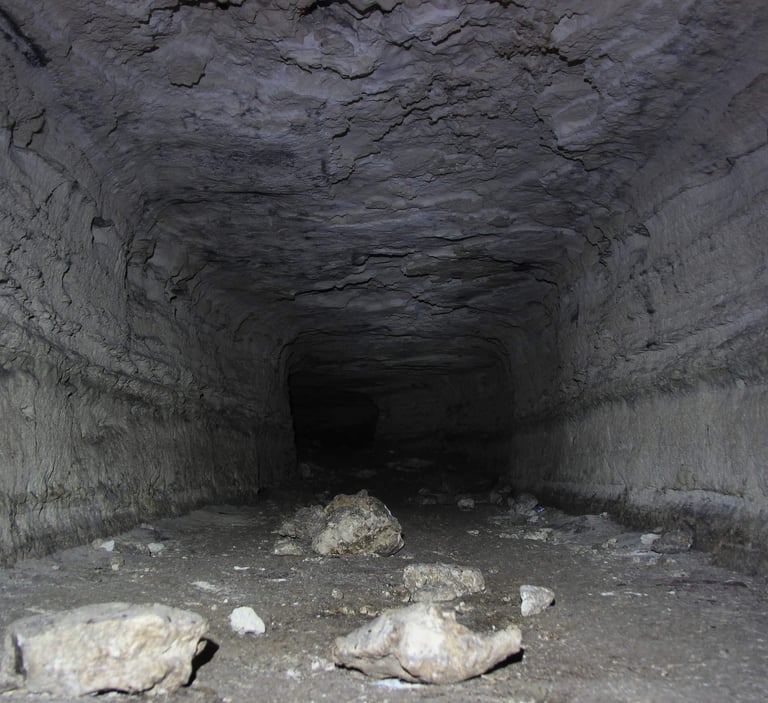
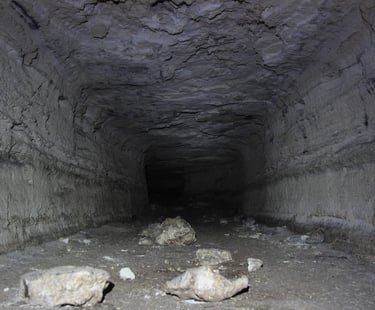
Limanu Cave (43° 48′ 29″N and 28° 31′ 17″E) is a maze of dry passages totalling 3.5 km, near the South shore of Limanu Mangalia lake, close to the village of Limanu (Constanța county).
The cave is formed within in Sarmatian lumashelic and oolithic limestones, interbedded with clay. The average temperature inside the cave is around 13.5°C. Its morphology shows clear evidence of significant human impact, such as carvings and walls made of limestone slabs, as the cave has served as shelter for thousands of years.
Limanu Cave bas been the subject of numerous studies since1950s. It hosts the last known colony of Rhinolophus mehelyi in Romania – a species listed on the IUCN Red List, with approximately 100 individuals remaining today, a steep decline from the roughly 5000 individuals reported in the 1960s.
Numerous invertebrate species thrive in Limanu Cave (see Travaux de l`Institut de Spéologie "Émile Racovitza"). Troglobiotic or endemic species worth mentioning include Microcreagris callaticola (Pseudoscorpiones), Trachysphaera dobrogica and Leptotrichus pilosus (Diplopoda), and Acherontiella cassagnaui (Collembola).
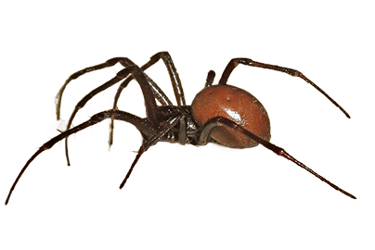
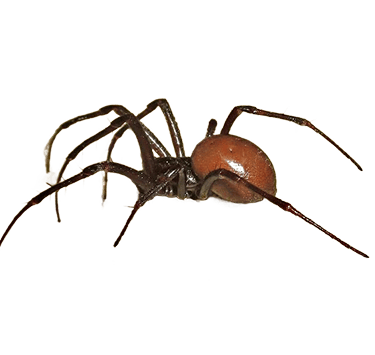
Peştera Liliecilor (Bats’ Cave)
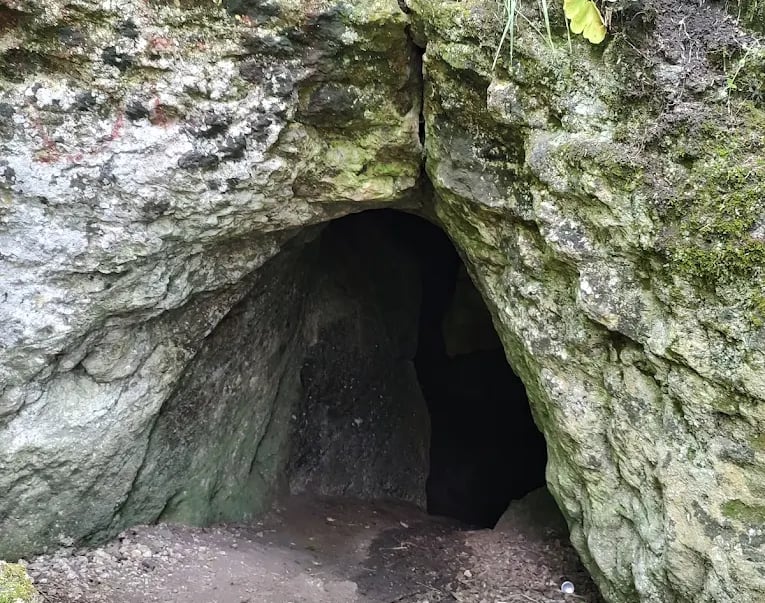
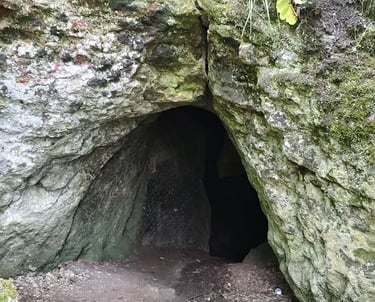
Peştera Liliecilor (Bats’ Cave) is a dry cave located in the Casimcea Valley, approximately 70 km north of Mangalia. This area is rich in caves, surface karst formations, and spectacular landscapes, and it represents one of the fascinating natural attractions of Dobrogea. The cave derives its name from the large bat colonies that inhabit it, creating an underground ecosystem dependent on a rich, guano-based trophic resource.
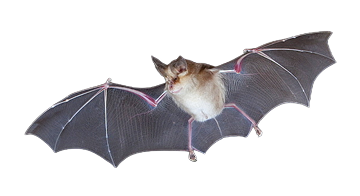
The cave hosts seven identified species: Myotis myotis, M. daubentonii, M. blythii, Eptesicus serotinus, Rhinolophus mehelyi, R. ferrumequinum, and Miniopterus schreibersii—the last two use the cave for hibernation and M. myotis as a maternity roost. To protect the maternity colonies, access is restricted during late spring and summer. Four troglobitic species have been reported from this cave: Caucasonethes vandeli (Isopoda), Atheta spelaea (Coleoptera), Caviphantes dobrogicus (Araneae), and Mesogastrura ojcoviensis (Collembola).
ICSB 2026
THE VENUE
Şoseaua Constanţei, no.5, 905500 Mangalia, Romania
CONTACT US
icsb2026mangalia@gmail.com
SOCIALS
Webdesign Luchiana Faur